For firearms owners in Texas, navigating the legal landscape surrounding the use and display of a weapon can be tricky. Terms like brandishing a weapon and exhibiting a deadly weapon often come up, but what do they really mean under Texas law? Whether you're carrying under a License to Carry a Handgun or simply exercising your Second Amendment rights, knowing the nuances of these concepts can help you avoid serious legal consequences. This guide breaks down the key differences, legal definitions, and practical implications to ensure responsible gun ownership while staying on the right side of Texas statutes.
Defining Brandishing a Weapon: Intent and Intimidation
When we talk about brandishing a weapon, the focus often lands on intent. Under Texas law, this term generally refers to displaying a firearm in a way that suggests aggression or a desire to intimidate others. This could include actions like pointing a gun at someone during a heated argument or pulling it from a holster in a public setting with the purpose of causing fear. The concept of criminal intent, or mens rea, plays a huge role here. If your actions are perceived as a deliberate threat, you could face charges for a criminal offense, potentially escalating to a felony like aggravated assault with a deadly weapon, as noted in resources from the Law Offices of Robert Keating PLLC.
Understanding this distinction is vital. Texas courts, including the Texas Court of Criminal Appeals, often look at the context and your state of mind (actus reus and mens rea) to determine whether your display was meant to coerce or harm. For gun owners, this means thinking twice before showing a firearm in any situation that could be misinterpreted as intimidation or coercion.
Exhibiting a Deadly Weapon: Texas-Specific Terminology
In Texas, you might hear the term exhibiting a deadly weapon instead of brandishing. According to the Texas Constitution and Statutes, specifically under Texas Penal Code Section 42.01, exhibiting refers to displaying a firearm or other deadly weapon in a public place in a manner calculated to alarm. Unlike brandishing, which typically implies a clear intent to threaten, exhibiting can sometimes be a less aggressive act. However, if the display is deemed unreasonable or unjustified, it can still lead to weapon charges.
For instance, drawing your gun from a holster during a tense moment, even without pointing it at anyone, could be considered exhibiting if it alarms others. The key question in a court of law often revolves around whether your actions were justified under the circumstances. Texas firearms owners need to be aware that even a reflexive display can carry legal risks if not handled with care.
Self-Defense and Justification Defense: When Display Is Legal
One of the most critical aspects of firearm display laws in Texas is the concept of self-defense. If you draw or show your weapon to protect yourself or others from imminent harm, this may fall under a justification defense. Texas law allows for reasonable force in such situations, meaning that displaying a firearm during a legitimate threat, like an attempted assault during a traffic stop, might not result in charges. The Law Offices of Robert Keating PLLC point out that displaying a weapon can often resolve a dangerous situation without firing a shot, debunking myths that you must use deadly force if you draw.
However, the line between self-defense and aggression is thin. Law enforcement and courts will scrutinize whether your response was proportionate to the threat. Consulting with an attorney, such as Lisa Renee Wilcox, who frequently references Carry Texas articles, can provide clarity on how to navigate these scenarios while upholding firearms safety and responsible gun ownership.
Legal Consequences: From Misdemeanor to Felony Charges
The penalties for improperly displaying a firearm in Texas can vary widely based on the circumstances and intent. Exhibiting a deadly weapon in a manner that alarms others might be charged as a misdemeanor under Texas Penal Code Section 42.01. However, if the display is seen as a direct threat or part of an assault, it could escalate to a felony charge like aggravated assault, carrying harsher punishment. Federal laws may also come into play, especially if you have prior convictions, as outlined in discussions from legal experts at firms like the Law Offices of Robert Keating PLLC.
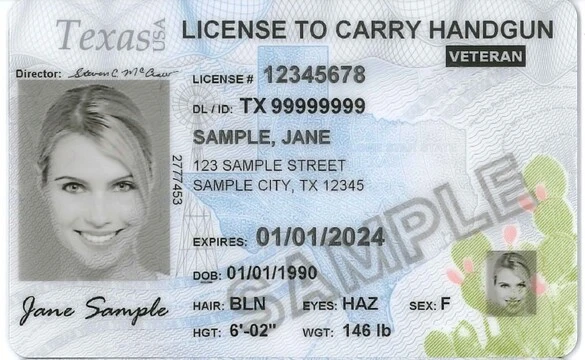
Beyond fines and jail time, a conviction can impact your constitutional rights, including your ability to carry under a License to Carry a Handgun issued by the Texas Department of Public Safety. Understanding legal precedents and working with a law firm experienced in weapon charges can make a significant difference in the outcome of your case. The stakes are high, so knowing the potential legal interpretation of your actions is crucial for any gun owner in Texas.
Practical Tips for Texas Firearms Owners
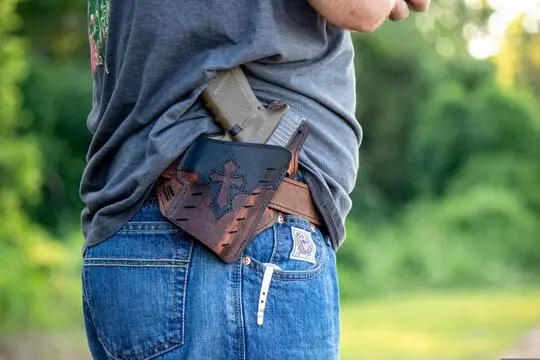
Staying compliant with Texas gun laws starts with education and mindfulness. First, always keep your firearm secured in a holster when in public to avoid accidental display that could be misinterpreted. If you hold a License to Carry a Handgun, remember the lessons from your training: don't draw your weapon unless you believe you're in immediate physical danger. Regularly review Texas statutes and updates through reliable sources like Carry Texas to stay informed on changes in the law.
Additionally, consider seeking guidance from a qualified attorney or local law enforcement if you're unsure about specific scenarios, such as carrying during a traffic stop. Firearms safety isn't just about handling the gun; it's about understanding the legal boundaries of when and how to display it. Avoid deception or actions that could be seen as coercive, and always prioritize de-escalation over confrontation when possible.
Conclusion: Stay Informed and Carry Responsibly
Navigating the differences between brandishing a weapon and exhibiting a deadly weapon in Texas requires a clear grasp of intent, context, and legal definitions under the Texas Penal Code. For firearms owners, the responsibility goes beyond just owning a gun; it includes knowing when and how to display it without crossing into the territory of intimidation or threat. By understanding self-defense laws, justification defenses, and the potential legal consequences of your actions, you can protect yourself both physically and legally.
If you have questions or need personalized advice, reaching out to experts like Lisa Renee Wilcox or reviewing resources from the Texas Department of Public Safety can be invaluable. Stay educated, carry responsibly, and ensure your actions align with the principles of responsible gun ownership and the protections of the Second Amendment.
In Texas, brandishing a weapon typically refers to displaying a firearm with the intent to intimidate or threaten others, often involving aggression. Exhibiting a deadly weapon, as defined under Texas Penal Code Section 42.01, involves displaying a firearm in a public place in a manner calculated to alarm, which may not always imply a direct threat. Both can lead to legal consequences if deemed unjustified. Yes, Texas law allows displaying a firearm in self-defense if you are protecting yourself or others from imminent harm. This falls under a justification defense using reasonable force. However, the response must be proportionate to the threat, and courts will closely examine the context to ensure it was not excessive or aggressive. Exhibiting a deadly weapon in a way that alarms others can result in a misdemeanor charge under Texas Penal Code Section 42.01. If the display is interpreted as a direct threat or part of an assault, it could escalate to a felony such as aggravated assault, leading to severe penalties including fines and jail time. Yes, drawing a firearm without firing it can be legal in Texas, especially in a self-defense situation. Displaying a weapon may resolve a dangerous situation without the need for deadly force. The key is that the action must be justified, and using force beyond what is necessary could lead to legal issues. To avoid legal issues, keep your firearm secured in a holster in public to prevent accidental display. Only draw your weapon if you are in immediate danger, adhere to training guidelines if you have a License to Carry a Handgun, and stay updated on Texas gun laws. Consulting with an attorney or law enforcement for specific scenarios can also help.Frequently Asked Questions:
What is the difference between brandishing and exhibiting a firearm in Texas?
Can I legally display a firearm in self-defense in Texas?
What are the legal consequences of exhibiting a firearm in Texas?
Is it legal to draw a firearm without firing it in Texas?
How can I avoid legal issues when carrying a firearm in Texas?